


Entrepreneurial Support Program(Explore Course)

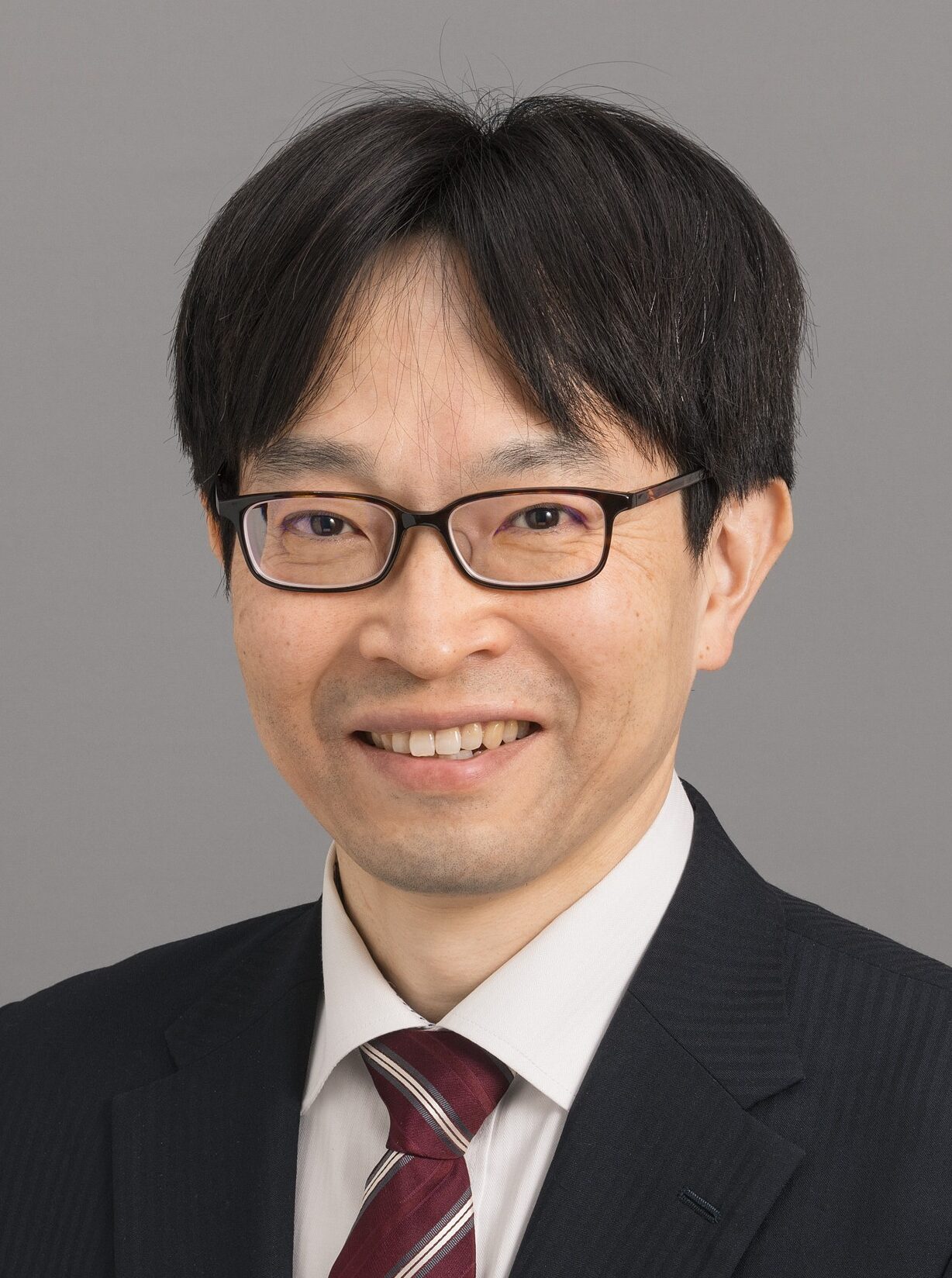
- Principal Investigator
-
KEIO University
Yasuaki Einaga
- Adopted Theme
Electrochemical CO₂-to-Formic Acid Conversion Using Diamond Electrodes
- Subject of Research
- Electrochemical CO₂-to-Formic Acid Conversion Using Diamond Electrodes
- GTIE VC Collective
Keio Innovation Initiative,Inc.
- Overview
-
.png)
This project aims to commercialize an electrochemical technology that converts CO₂ emitted from industrial sources into formic acid using boron-doped diamond (BDD) electrodes developed at Keio University. The technology combines high selectivity, high faradaic efficiency, and long-term operational stability using CO₂ and water as feedstocks. Formic acid can be used directly as a chemical feedstock and can also serve as an intermediate fora wide variety of value products. Building on our previous bench-scale demonstrations, we will develop a system with an annual production capacity of approximately one ton and evaluate its performance and economic feasibility under conditions close to actual industrial operation. By combining CO₂ reduction with the production of valuable chemicals, we aim to create new economic value for industrial emitters. Through this project, we aim to establish a new carbon-recycling pathway that transforms CO₂ from a waste stream into a valuable resource.
- Business Models(when applying)
Our primary customers are companies in the chemical, energy, shipping, and other industries that emit large amounts of CO₂. The core business will generate revenue through sales and maintenance of electrolysis systems that convert CO₂ into formic acid. For customers without an internal use for the produced formic acid, we will also support application development and matching with potential users.
- Activity Planning(when applying)
Based on the bench-scale technology demonstrated through previous NEDO projects, we will develop an electrolysis system with an annual formic-acid production capacity of approximately one ton. We will first design and fabricate multi-cell units and evaluate key scale-up issues. We will then construct the one-ton-scale system and assess its performance, operational stability, and economic feasibility under conditions close to actual customer environments. In parallel, we will work with CO₂-emitting companies and potential users of formic acid and its derivatives to clarify system requirements and application conditions. Through these demonstrations, we will accumulate the design and operational data required for further scale-up and enable potential customers to make informed decisions on system adoption. These activities will provide the technical and business foundation for establishing a university-originated startup and moving toward commercial deployment.