


News

2026/05/20
Student Interview] Delivering Research Results to Patients. Challenges of Medical Device Researchers Who Acquired the Perspective of Social Implementation Abroad
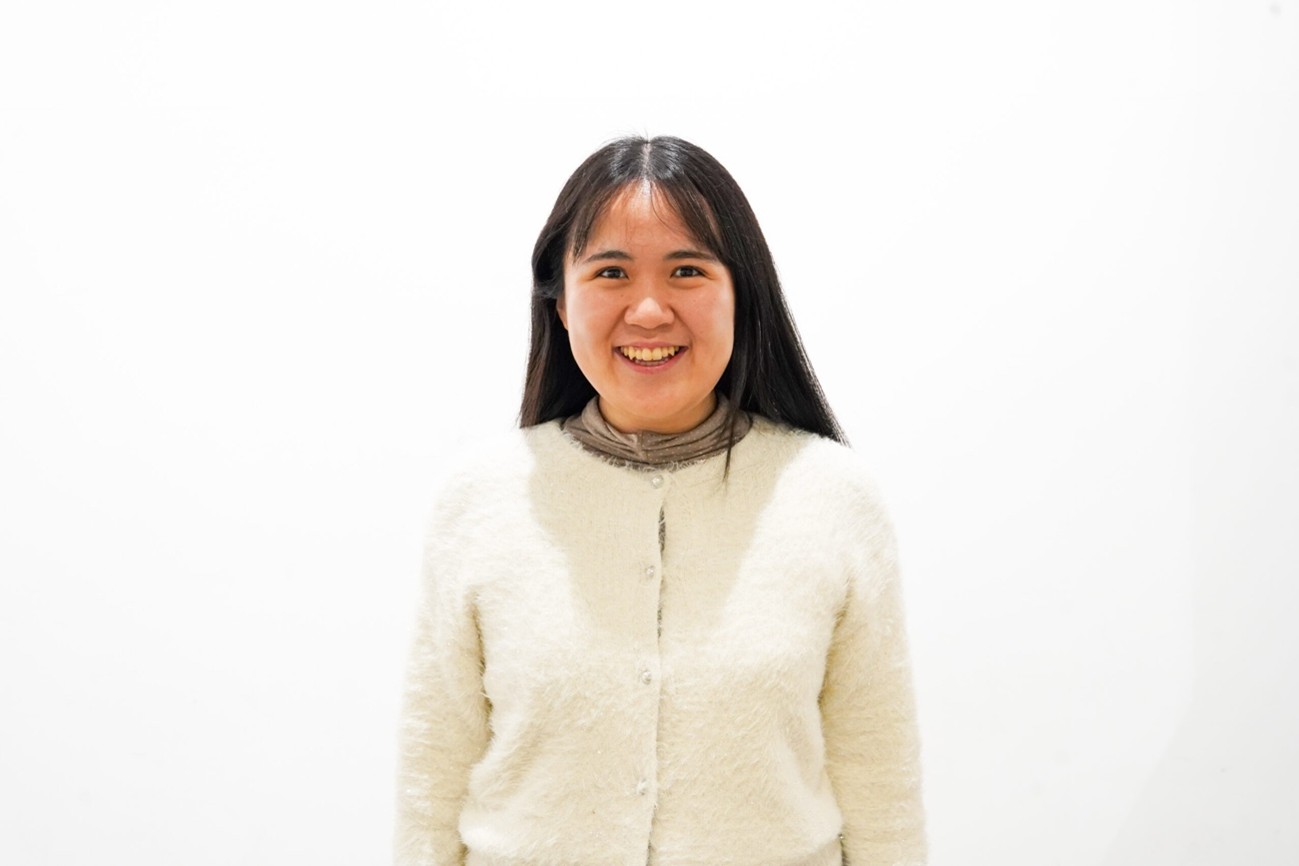 Ms. Anna Iino, a first-year doctoral student in the Department of Bioengineering at the Graduate School of Engineering, the University of Tokyo, traveled to Toronto on the GTIE Overseas Travel Program to conduct research and conduct on-site interviews for the social implementation of medical devices for the treatment of mental disorders.
We asked her about the background of her participation, her activities in the field, and the changes she experienced through the program.
Ms. Iino is engaged in research on a depression treatment device using magnetic stimulation. In the course of her research, she became aware of the issue of “how to deliver technology to society” and decided to participate in this program with the option of starting her own business in mind.
In addition to local activities in Toronto, the program also provided opportunities for students to travel overseas individually to conduct research and surveys.
Through her activities in Toronto, where she planned and conducted interviews with psychiatrists on her own, and through her experience of research collaboration in Spain, she was able to experience the differences between the medical systems and research environments in Japan and other countries.
In this interview, we asked her to explain in detail how she acquired the perspective that links research and social implementation.
Perspectives on Social Implementation of Medical Devices Acquired through Preliminary Training and Activities at Overseas Research Institutions
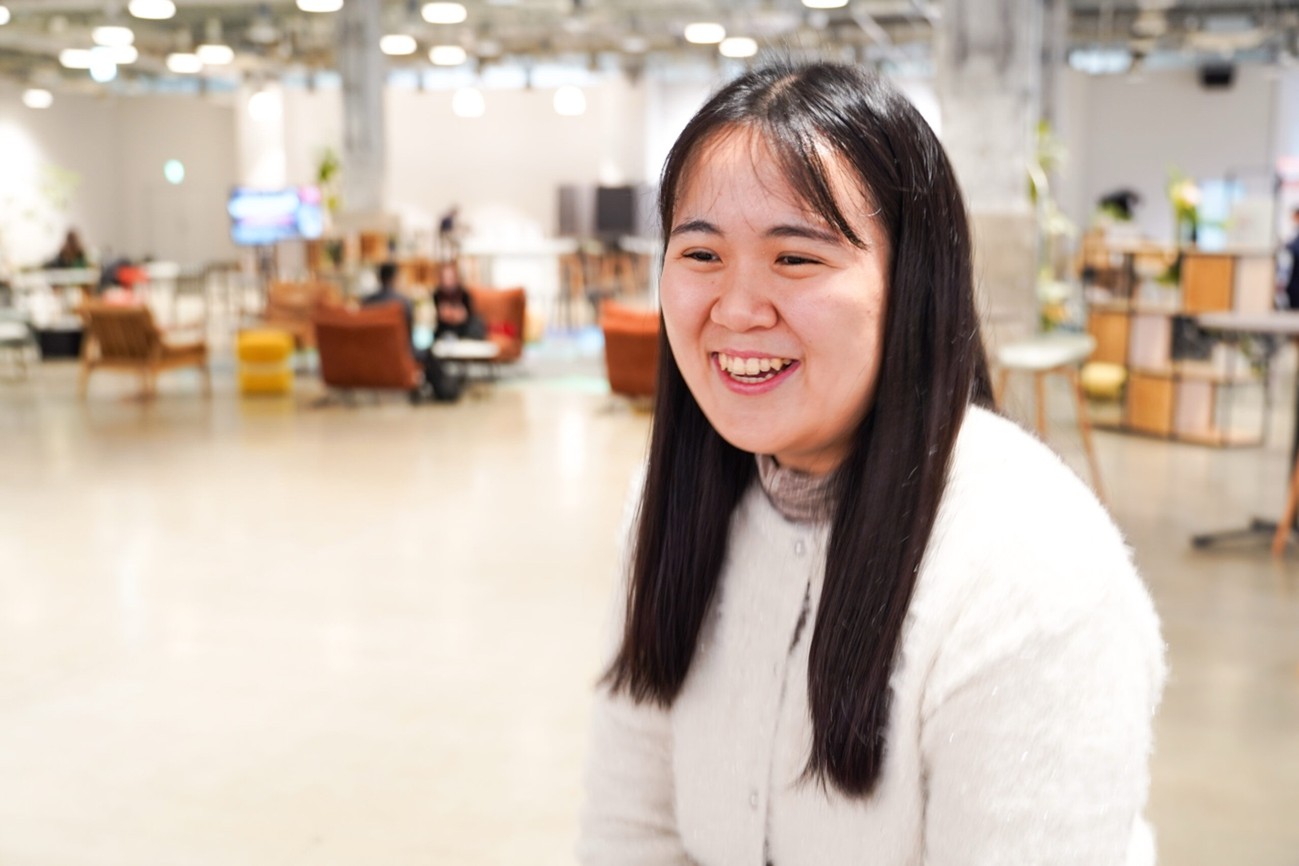
– What exactly did you do during the program you participated in this time?
The program consisted of three activities: pre-training, on-site activities in Toronto, and individual visits to overseas research institutions.
In the pre-training, we learned about basic business concepts and value propositions. We were also taught to organize the value of our own research by comparing it with that of our competitors, and that understanding the environment is important for delivering research to society, and that interviews with the field are necessary for this purpose.
Based on this learning, I made appointments to conduct interviews in the field from the stage when I was in Japan, and spoke with psychiatrists and doctors who actually provide magnetic stimulation therapy. I think it was a great experience for me to learn firsthand how the medical equipment I was researching was being used and what the needs were in the field.
In addition to the activities in Toronto, this program also provided me with opportunities to visit overseas research institutions by setting my own travel destination.
Since the accuracy of safety verification can be improved by conducting evaluations using models that more closely resemble the human body, we learned about this know-how there and have continued our research since returning to Japan. Currently, we are continuing our research by combining the technologies of our own laboratory with those of the laboratories we visited, and we are also considering the possibility of publishing our new findings in a paper.
I feel that a major feature of this program was that we were able to gain both a perspective on social implementation and the development of research itself, in addition to research.
I became aware of the option of starting a business from the desire to deliver the results of my research to patients.
– What made you decide to participate in this program?
I have always been researching medical devices, and I have been focusing on it for about three years since I was a first-year master’s student. I believe that medical devices are ultimately useful for patients, so I became more and more interested in really delivering the research I was working on to patients.
When I thought about this, I began to think that starting a business was one way to achieve this goal.
Also, because my background is in engineering, I have had very few opportunities to get to know my patients directly. While there were many things I did not know about entrepreneurship, when I learned that there was a program available for doctoral students, I wanted to participate.
I studied physics as an undergraduate, but I felt that physics research is a field that can take 200 or 300 years before it is useful to society. Therefore, I wanted to work on research that I could be involved in up to social implementation during my lifetime.
Around that time, someone close to me experienced depression, and when I learned that I could use my knowledge of physics to conduct research that would lead to the treatment of depression, I decided that this was the field I wanted to work in.
I am currently working on a medical device that uses magnetic stimulation to treat depressed patients who are not responding to medication. This therapy itself is already approved, but I am working on improving its effectiveness and making it easier for patients to use.
Systemic differences and treatment needs between Japan and Japan realized through interviews with local psychiatrists
– What kind of challenges did you face there?
First, during our activities in Toronto, we interviewed psychiatrists and doctors who actually use medical equipment for magnetic stimulation therapy. During the pre-training, we were told that it is important to listen to voices from the field in order to understand the competition and the environment.
When I actually listened to what they had to say, it was significant for me to realize that there is more demand for magnetic stimulation therapy in Canada compared to the impression I had previously had in Japan.
I was also impressed by the fact that the systems and treatment environments in Japan and Canada are very different. In Japan, treatment is only available at hospitals due to facility standards, but in Canada, treatment is available at clinics, and I heard that patients are receiving treatment while working or going to school. I heard that appointment slots are actually filled and strongly felt the difference in accessibility to treatment.
Furthermore, depression is a condition that often prevents many people from leaving their homes, so I began to think about the possibility of providing treatment at home or within the context of home nursing care in the future.
By being able to hear directly from the field, I feel that I was able to think more concretely about how my research could potentially reach society.
Shift from a research-centered perspective to one that delivers value to society
– What changes or insights did you gain through your participation in the program?
I think what was particularly significant was the change in the way I viewed my research.
Until then, I had been focusing on my research, and I felt that I had a strong perspective of thinking mainly about my own research, such as “how to deliver this technology” and “how to make people understand it.
However, during the pre-training program, I had the opportunity to take a class once a week from a professor at Metropolitan University of Toronto, and during the class, I was told that it is important to look at the environment of the other party, look at the competition, and think about your own value within that environment. I think the biggest change for me was realizing that I had not fully possessed that perspective until then.
In addition, realizing that “there are many things I still don’t understand” was also a big learning experience for me.
This realization led to my subsequent actions.
For example, I began to think about going to interview clinics in Japan, and I made about seven or eight appointments on my own to actually go talk to them. I believe that realizing the importance of knowing what is going on in the field led directly to my next action.
Furthermore, this program led me to meet a professor from the University of Tokyo’s industry-academia collaboration, and I ended up participating in an educational program for researchers. I am now learning about commercialization through mentoring about once a month.
In addition, I applied for and was accepted to an accelerator program that supports medical device startups, which gave me the opportunity to learn about the insurance system and the Pharmaceutical Affairs Agency system.
I have realized once again that it is necessary to proceed with research and commercialization at the same time.
Through these experiences, I feel that my opportunities to think from the perspective of not only the research itself, but also how to deliver that research to society have greatly expanded.
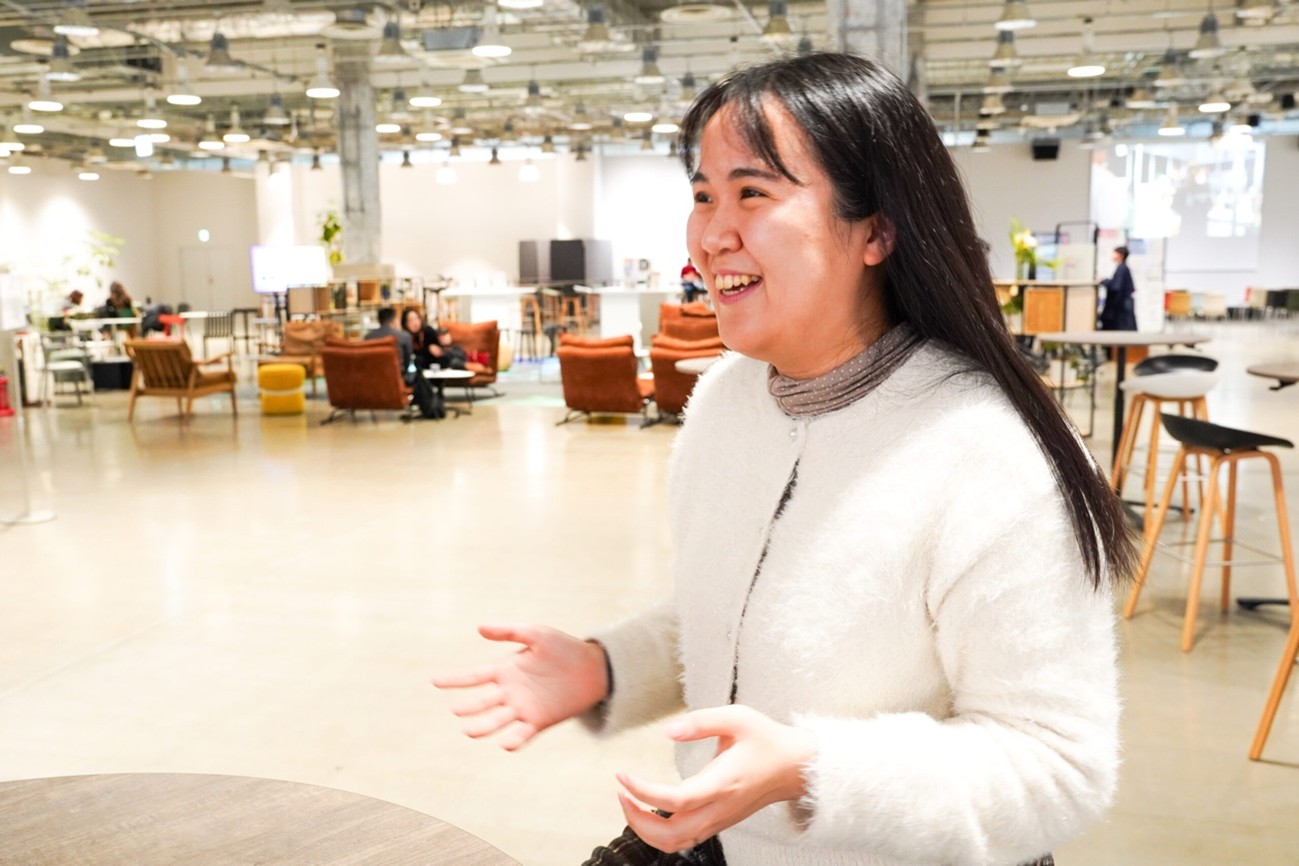
In addition to starting a business, I am also exploring the possibility of social implementation with an eye toward corporate collaboration and licensing.
– What are your future plans?
In the future, I would like to start my own business and deliver the medical devices I am researching to patients.
Currently, I am conducting research with the aim of realizing higher-precision treatment by combining improvements in existing technologies with my own patented technologies.
On the other hand, it is not unusual for the commercialization of medical devices to take 10 years to complete, and I feel that it is necessary to proceed while taking into account various factors such as institutional aspects, team structure, and building relationships with collaborators, in addition to the progress of research.
In addition, since I am still in the middle of my doctoral program, I am considering the possibility of commercialization while focusing first on steady progress in my research.
Furthermore, I am becoming more and more aware that this project is not something that I can complete on my own, and I am continuing to consider how to proceed realistically with the advice of professors and mentors in industry-academia collaboration.
In this process, in addition to the option of starting a business, I am exploring how best to link my research to social implementation, including forms of joint research with companies and licensing.
Ultimately, I would like to choose the most appropriate form to realize this goal, while keeping the delivery of the results of my research to patients at the core of my work.
Interviewed and written by Undercurrent Inc.